
Rule34: What It Means, Why It’s Everywhere, and Risks
If you’ve seen rule34 pop up in comments, memes, or search suggestions, you’re not alone—and you’re not “late.” It’s internet shorthand for a very specific corner of online culture, and it comes with real safety, privacy, and legal considerations.
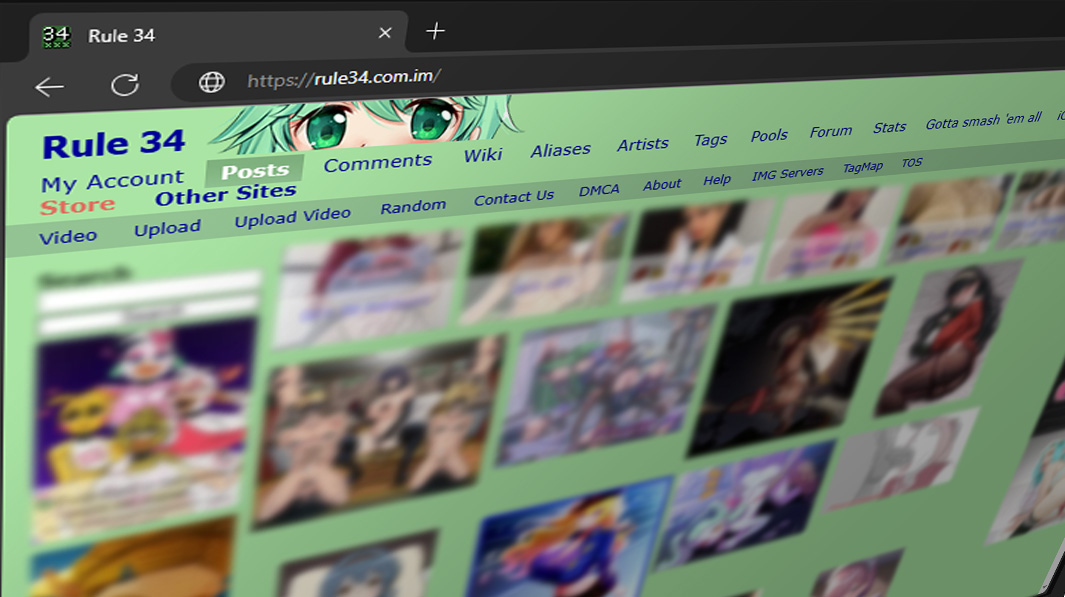
What does “Rule 34” actually mean?
“Rule 34” is an old internet adage that basically says: if something exists, adult content exists about it. It’s part of the larger “Rules of the Internet” lore and is often referenced as a joke, a warning, or a “don’t Google that” moment.
Why do people type “rule34” instead of “Rule 34”?
Because search behavior is messy. People often use:
- Lowercase: rule34
- Short variants: rm34, mdo34, r95 (sometimes to avoid filters or autocomplete)
- Related intent keywords: nsfw ai generator, nsfw video generator, sims 4 nsfw mods
Quick heads-up: abbreviations can be used to “tiptoe around” moderation systems. That doesn’t make the content safer—just harder to predict.
rule34 vs Rule34.xxx: meme vs website
You’ll see “rule34” used in two common ways:
1) The meme / concept (culture)
This is the “Rule 34” idea people reference in fandom discussions, often as humor or caution.
2) The adult-content aggregator site (navigation intent)
Rule34.xxx is widely described as an adult website hosting a large collection of explicit user-tagged content. Third-party reports and press coverage have described it as extremely high-traffic, though exact numbers vary by source and methodology.
“I searched a game character’s name and the autocomplete basically screamed ‘NOPE.’ That’s when I learned what rule34 means.” — PixelRider92
Is Rule34.xxx “safe” to visit?
Safe depends on what you mean: malware risk, privacy risk, or content risk.
Content risk: you can’t “unsee” stuff
Rule34-style sites are built around tags and user uploads. Even if a site claims moderation, you may still stumble into content you didn’t want.
Privacy risk: adult browsing isn’t private by default
Even legit sites can expose you to:
- Aggressive advertising and tracking
- Sketchy popups (depending on region/network)
- Embarrassing browsing history sync across devices
Legal/ethical risk: the line is not fuzzy for illegal content
Anything involving minors (CSAM) is illegal and should be reported immediately. Major platforms and child-safety organizations emphasize detection/removal and reporting pathways.
“The biggest misconception is thinking ‘it’s just drawings’ means ‘no harm, no rules.’ Laws and platform policies can still apply depending on the content, jurisdiction, and distribution.” — Sofia Reyes, hypothetical IP & platform-policy attorney.
Why did people talk about Google delisting Rule34.xxx?
In 2021, coverage reported that Google traffic to the site’s homepage dropped after it was removed from Google’s index, with the operator attributing it to allegedly false CSAM complaints and considering legal action. This sits inside a broader reality: search engines may delist pages/sites for legal or policy reasons, and they often won’t detail individual cases.
Where do keywords like r95, “Sims 4 NSFW mods,” and “nsfw ai generator” fit in?
People searching rule34 often branch into adjacent communities/tools:
r95 (often linked to adult modding communities)
“r95” commonly appears in searches around adult game mods and forums—especially mod-heavy games.
Sims 4 NSFW mods (adult mod ecosystem)
This is a separate universe: mod repositories, Patreon-style creators, and community forums. It’s more “modding culture” than “Rule 34 image boards,” but the audiences overlap.
NSFW AI generator / NSFW video generator (newer trend)
AI has made it easier to generate explicit content—raising consent, deepfake, and abuse concerns.
“AI doesn’t just scale creativity—it scales harm. If your workflow doesn’t include consent checks and safety boundaries, you’re playing with fire.” — Dr. Hannah Whitmore, hypothetical digital-culture researcher.
How to avoid accidental exposure when researching “rule34”
A practical, low-drama checklist
- Turn on SafeSearch / restricted mode where possible
- Use private profiles or a separate browser for sensitive topics
- Disable sketchy notifications/popups
- Remember that abbreviations (rm34, mdo34) can lead to unpredictable results
Step-by-step: safer “information-only” searching
- Search for “Rule 34 meaning” (not just “rule34”).
- Add clarifiers like “meme,” “definition,” “internet culture,” “history.”
- Avoid image search if you’re not looking for explicit material.
- If you’re a parent/guardian: use device-level filters and talk about “curiosity traps” online.
“The goal isn’t to shame curiosity—it’s to reduce surprise. Most people don’t get upset because it exists; they get upset because they weren’t consenting to see it.” — Alex Morgan, hypothetical online-safety consultant.
Quick comparison table: what people mean when they say “rule34”
| Term you’ll see | What it usually refers to | Typical search intent | Main risk | Safer alternative |
|---|---|---|---|---|
| Rule 34 | The meme/adage | Informational | Surprise content | Read definitions/history first |
| rule34 / Rule34.xxx | Adult-content site/aggregator | Navigational | Explicit content + privacy | Avoid image search; use SafeSearch |
| r95 | Adult modding forums/tools | Navigational/transactional | Unverified downloads | Stick to reputable mod sources |
| Sims 4 NSFW mods | Adult mods ecosystem | Transactional | Payment scams/malware | Vet creators, scan files |
| nsfw ai generator | AI-generated explicit content | Transactional | Consent/deepfake risks | Use tools with strict safety policies |
Conclusion
rule34 is both a long-running internet meme and a label people use to navigate (or warn about) adult content spaces like Rule34.xxx. If you’re researching it for culture, SEO, or curiosity, keep your guardrails up: privacy, legality, and consent matter—and surprises are the #1 reason people regret clicking.
FAQ
1) What is rule34 in simple terms?
Rule34 is an internet saying that claims adult content exists for basically anything. People use it as a joke or warning, and it’s also associated with adult-content aggregators.
2) Is Rule34.xxx the same thing as Rule 34?
Not exactly. “Rule 34” is the meme/concept; “Rule34.xxx” is a specific adult site that hosts explicit tagged content.
3) Why do people search rm34 or mdo34?
Often to use shorthand or dodge autocomplete filters. It doesn’t make results safer—sometimes it makes them more unpredictable.
4) Is searching rule34 illegal?
Searching the meme meaning isn’t illegal, but laws vary widely for explicit material. Anything involving minors is illegal and must be reported.
5) What does r95 have to do with rule34?
r95 commonly appears in searches around adult game mods and communities. It’s adjacent in audience overlap, not the same thing as Rule 34 image-board culture.
6) Are NSFW AI generators part of “rule34 culture” now?
They’re increasingly adjacent. AI can generate explicit content quickly, which raises consent and abuse concerns—especially around deepfakes and illegal imagery.
7) How can I avoid seeing explicit content by accident?
Use SafeSearch, add “meaning/definition/history” to queries, avoid image search, and don’t click ambiguous abbreviations. Treat it like walking into a bar district: fine if you intended to be there, awkward if you didn’t.